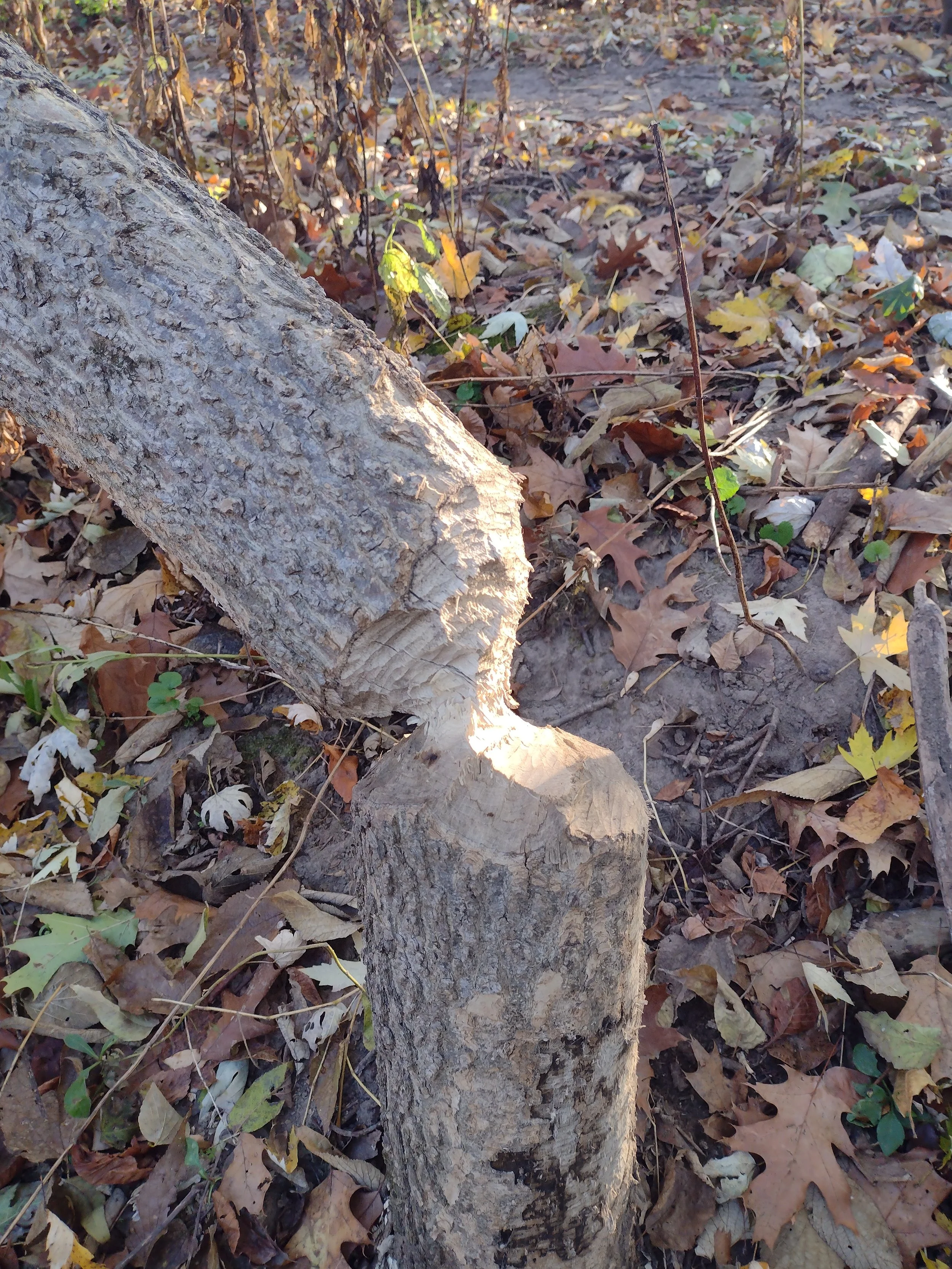
Beavers have returned to Zionsville (Eagle Creek - 2025)
Youtube Video Link:
The World's Largest Beaver Dam Seen From Space
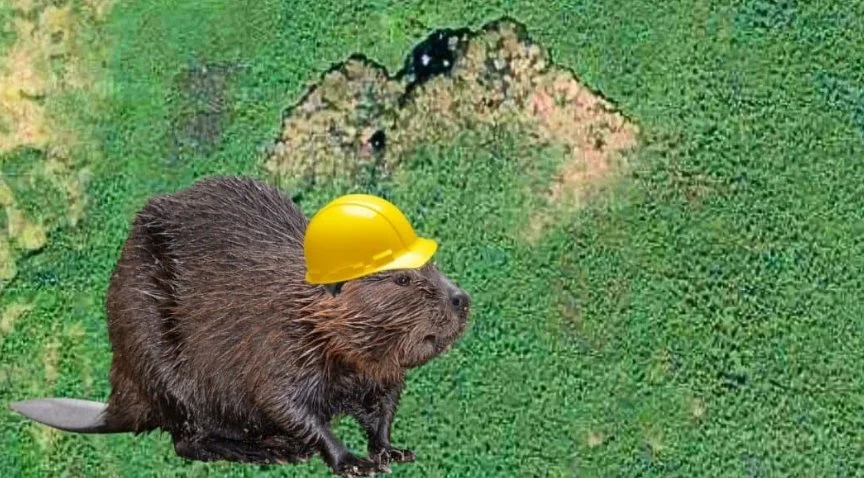
Beavers Can Help With Climate Change
Beavers play a crucial role in combating climate change by acting as "ecosystem engineers." Their dam-building activities create structures that help landscapes adapt to and recover from climate-related disturbances. Beavers contribute to climate resilience through the creation of wetlands, which are critical for supporting diverse flora and fauna. These wetlands not only provide habitats for fish, birds, and other wildlife but also help sequester carbon, storing up to 470,000 tons of carbon annually. Beavers save the US around $133 million in habitat and biodiversity protection and approximately $75 million in greenhouse gas sequestration. Their role as "ecosystem engineers" is vital in creating drought-tolerant and fire-resistant landscapes, making beavers key contributors to the long-term survival of diverse and resilient habitats.
Excerpt from: Beavers Build Climate Resilient Ecosystems Naturally | World Wildlife Fund
Beavers bring back the biodiversity
Ecologists and ranchers alike know that rivers and streams with healthy beaver populations support more biodiversity, are more drought resilient, and keep water available on the land for more days of the year. But witnessing the impact of nature’s engineers on a single stream is easier than measuring it across a region, or choosing which of a hundred streams is an ideal site to reintroduce beavers.
Now a NASA-supported effort in Idaho adds remote sensing data to the suite of tools used to predict which streams can support beavers and to monitor how water and vegetation change once they return.
Excerpt from: Researchers Become “Beaver Believers” After Measuring the Impacts of Rewilding - NASA
Harmful Algal Blooms
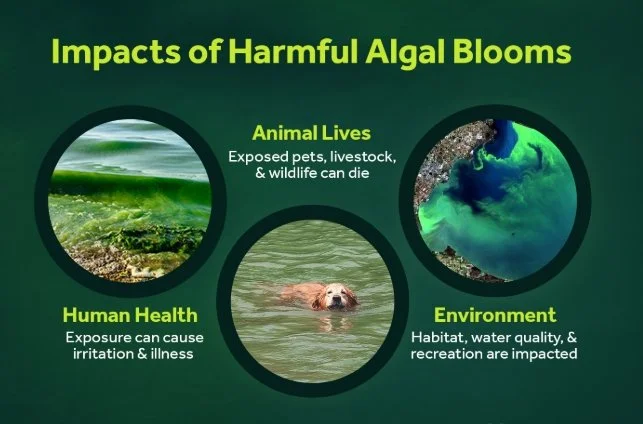
A bloom is a rapid and massive development of algae on the surface of lakes, reservoirs and ponds. Although blooms can occur naturally as part of the yearly cycle of algal dynamics in a water body, some algae, such as Cyanobacteria (blue-green algae), can develop nuisance blooms. Cyanobacteria can sometimes form visible green masses and scums floating on the water surface and which can reach a thickness of a few centimeters along the edges of the water body. Most of the time, algal blooms are simply not visible and form diffuse dense populations right below the water surface.
Excerpt from: Algal Toxicology: Research: Center for Earth and Environmental Science: Indiana University Indianapolis
Combined Sewers Vs. Separate Sanitary Sewers
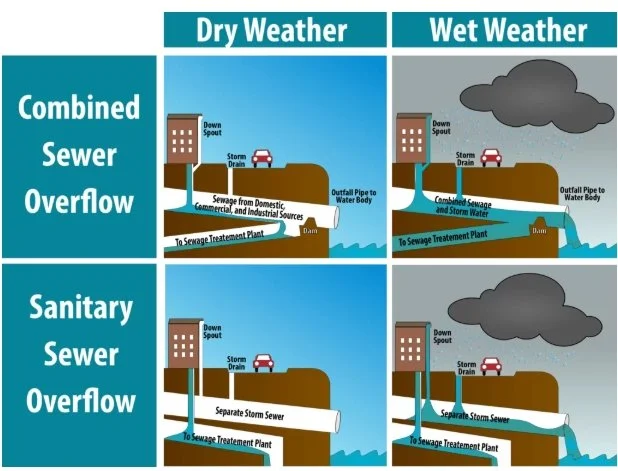
Historically, municipalities have used two major types of sewer systems.
Combined Sewers
Combined sewers are designed to collect both sanitary sewage and stormwater runoff in a single-pipe system. These systems were designed to convey sewage and wastewater to a treatment plant during dry weather. Under wet weather conditions, these combined sewer systems would overflow during wet weather conditions when large amounts of stormwater would enter the system. State and local authorities generally have not allowed the construction of new combined sewers since the first half of the 20th century.
Separate Sanitary Sewers
The other major type of domestic sewer design is sanitary sewers (also known as separate sanitary sewers). Sanitary sewers are installed to collect wastewater only and do not provide widespread drainage for the large amounts of runoff from precipitation events. Sanitary sewers are typically built with some allowance for higher flows that occur when excess water enters the collection system during storm events.
Sanitary sewers that are not watertight due to cracks, faulty seals, and/or improper connections can receive large amounts of infiltration and inflow (I/I) during wet weather. Large volumes of I/I can cause sanitary sewer overflows (SSOs) and/or operational problems at the wastewater treatment facility serving the collection system. In addition, sewage overflows can be caused by other problems such as blockages, equipment failures, broken pipes, or vandalism.
Excerpt from: Municipal Wastewater | US EPA